
 By thecanopydigest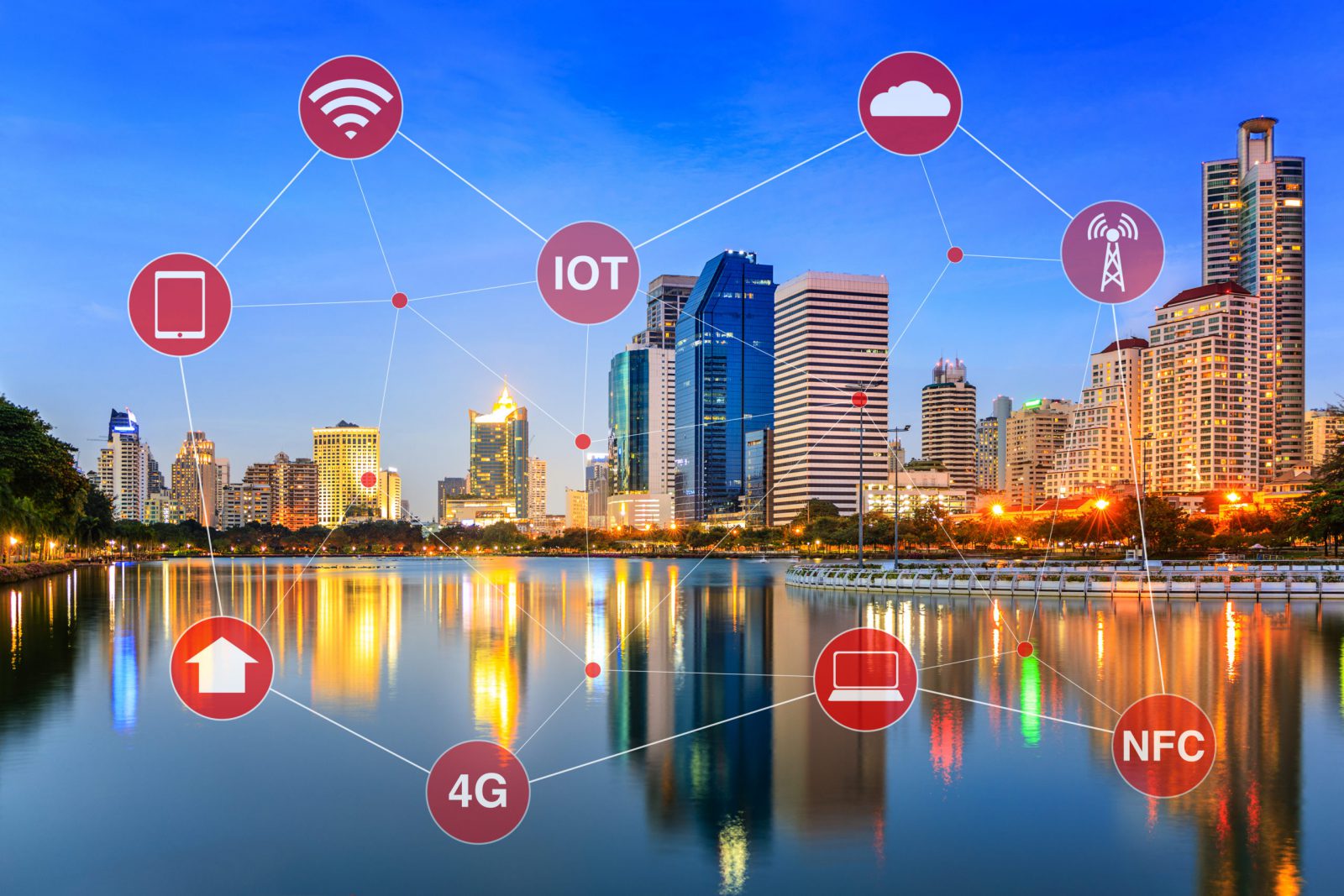
Cities are evolving as technology becomes integrated into urban infrastructure. Planners and engineers are experimenting with systems designed to improve efficiency, sustainability, and safety. Sensors placed throughout urban environments collect data about traffic flow, air quality, and energy usage. This information allows city administrators to make informed decisions about transportation systems and environmental management.
Transportation technology stands at the center of many smart‑city initiatives. Intelligent traffic systems analyze vehicle movement in real time and adjust signals accordingly. These adjustments can reduce congestion and improve travel times across busy urban corridors. Public transit networks also benefit from digital monitoring systems that track vehicle locations and passenger demand.
Energy management represents another important area of innovation. Smart electrical grids distribute power more efficiently by responding to real‑time demand. Buildings equipped with automated climate systems adjust heating and cooling based on occupancy and weather conditions. These technologies reduce unnecessary energy consumption while maintaining comfortable indoor environments.
Urban technology also supports public safety and communication. Emergency response teams can access real‑time data during critical situations, improving coordination between services. Digital platforms allow residents to report issues such as infrastructure damage or service disruptions. As these systems expand, the vision of tomorrow’s city becomes one where digital networks quietly support everyday urban life.